Artificial Intelligence (AI)  in nano technology

nanotechnology will be the tool that AI will use to achieve the ‘singularity’–Ray kurzweil

What is nano technology ?
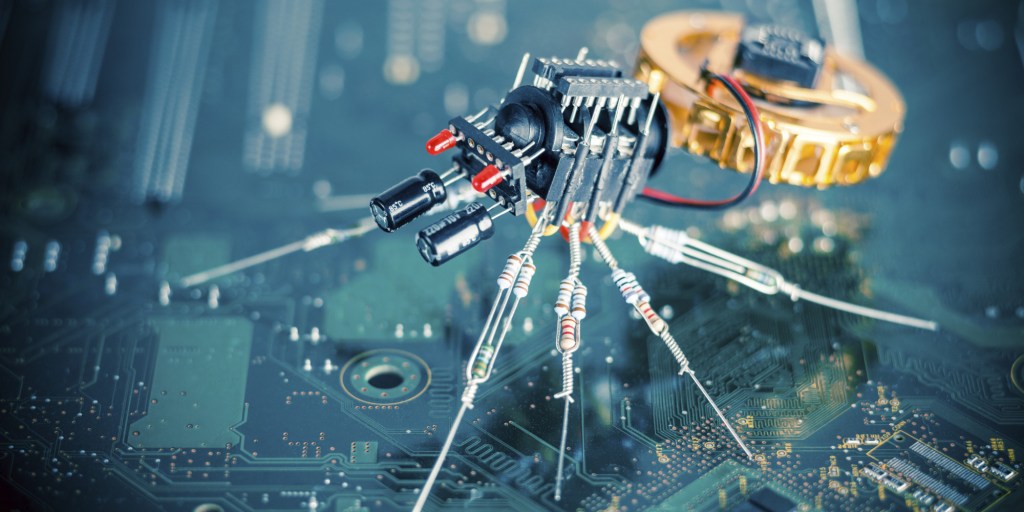
•Artificial intelligence (AI) in nanotechnology is science and engineering at the scale of atoms and molcules . it is the mainpulation and use of materials and devices so tiny that noting can be built any smaller

How small is small ?

•nanomaterials are typically between 0.1 and 100 naometers in size with 1nm being equivalent to one billion of a meter (10^-9)m.

•this is the scale at which the function of the biological world operate and material of size display unusal physical and chemical properties . these profoundly different properties are due to increase in surface an also the grip of weird quantum effect at the atomic scale

what are uses of nano intelligence ?

•nanotechnology is manipulating of matter on an atomic , molecular and supermolecular scale

•nanotechnology may be able to creat many new materials and devices with a vast range of applications such as in agriculture,nanomedicine,nanoelectronic,biomaterials,space,robotics,energy production and consumer products

Application of nanotechnology

Nanoelectronic
•nanotechnology for electronic components and research on improvrments of electronic such as display, size and power consumption of the device for the partical use . this includes the research on memory chips and surface physical modificatios on the electonic devices.

Nanomedicine
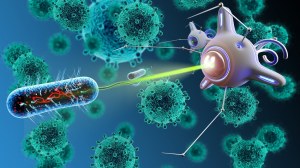
•Nanotechnology to treatmeny and prevention of diseases is an emerging form of drug therpy that utilizes nanomaterials as drug carriers for enchacing treatment efficacy while reducing deterimental side effects to naomal tissuses.

IN space
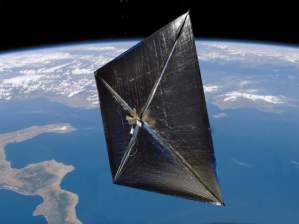
•Nanotechnology may hold the key to making space flight more practical. Advancements in nano materials make light weight solar sails and cable for the space elevator possible. By significantly reducing the amount of rocket fuel required ,these advantances could lower the cost of reaching orbit and traveling in space

•It is also mainly aims in developing nanaostallites (also called small,microsatellite ) for engineering mangement . these satellites provide more practical applications for space programs such as monitoring , reduction and removal of space bebris for risk mitigation and to provid better lanch enivironment.

Nano energy
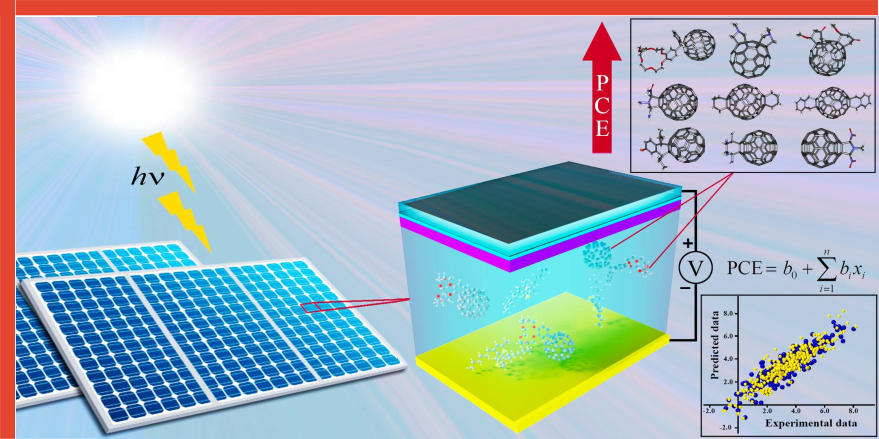
•Nanoenergy is a multidiscliplinary rapid publication forum of original peer revieewed contribution on the science and engineering of nanomaterials and nano devices used in all forms of energy harvesting conversion , storage , utilization and policy

Conclusion

•Nanotechnology has achieved termendous progress in the past several decades. it is expected that nanitechnology will change dentistry , health care and human life

Artificial Intelligence (AI)  in Space Exploration

Space is so vast how can we ever explore all of it? We may finally have an answer — Artificial Intelligence.

•The world is but a mystery and AI could help in finding answers and explore such mysteries

AI (Artificial Intelligence) has long been a companion of space research agencies like

•NASA

•European Space Agency

•CNSA (China National Space Administration)

•Space X

•Isro(Indian space research organization)

ISRO’S AI- enabled vyommitra INDIA’S FIRST HUMANOID ROBOT

•she is vyommitra, a spacefaring human robot developed by the Indian space Research organization. Vyommitra is a ‘half- humanoid’ that ISRO planes to send as part of test flights that will be undertaken ahead of the ambitious lunch of Indias maiden human spaceflight mission

•AI has helped astronomers discover two new planets in our solar system, along with exoplanet discoveries.

•AI has also helped in establishing new theories about how Mars lost some of its water.

•By using machine learning NASA discovered Exoplanet

•Kepler-90i

•Kepler-90

•A distant Sun-star, about 2,545 light-years from earth.

•Intel is helping NASA develop an AI system that can assist astronauts in finding directions, an AI that will be a personal assistant to Astronauts, like

• Siri

•Google assistant

The Future of Space flight

•AI-powered robots for future Mars exploration.

•With the development of a highly capable AI humanoid by DLR, a German Space agency, our future homes on mars is further taking its shape.

•The humanoid, Rollin Justin, is a platform for research in service robots.

• It can handle tools, navigate obstacles and catch flying objects.•AI is already a game changer that has made scientific research and exploration much more efficient.

Artificial intelligence

ARITIFICIAL

INTELLIGENT

My First Blog Post

7 APRIL 2020 by sharukh

•Artificial intelligence (AI) is the use of computer science programming to imitate human thought and action by analyzing data and surrounding, solving or anticipating problems and learning or self teaching to adapt to variety of tasks

Practical uses of Artificial Intelligence

1. AI in Astronomy

2. AI in Healthcare

3. AI in Gaming

4. AI in Finance

5. AI in Data Security

6. AI in Social Media

7. AI in Travel &Transport

8. AI in Automotive Industry

9. AI in Robotics

10. AI in Entertainment

11. AI in Agriculture

12. AI in E-commerce

13. AI in education

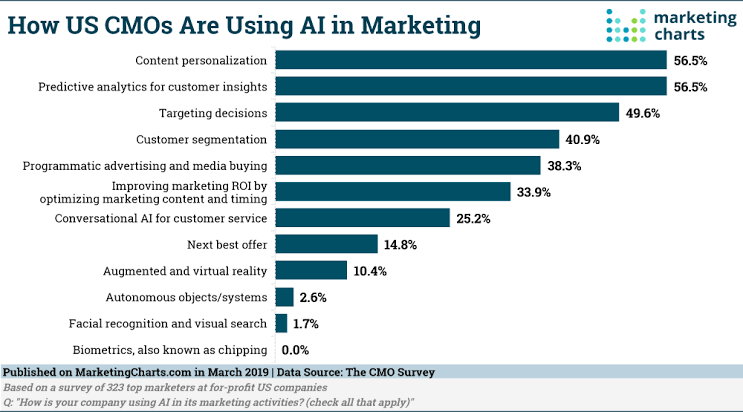
5 Ways Artificial Intelligence Can Be Used in Marketing

1. Take Sales Forecasting to the Next Level

•AI takes conversion management solutions to the next level. Marketers can now compare sophisticated inbound communication side-by-side against traditional metrics to help answer difficult strategy questions. With AI marketing, there are no longer questions about whether or not a prospect is ready for a discussion, the data provides the answer.

2. Gain a Deeper Understanding of Your Consumers

•With AI solutions, marketers know exactly what consumers are thinking, saying, and feeling about the brand in real time. Similarly, with the onslaught of social media available (and the AI to analyze it), marketers can truly understand what customers are feeling. Savvy

•marketers can harness this data in real-time and then quickly modify messaging or branding for maximum effectiveness.

3. Optimize Digital Advertising Campaigns

•While there are various ways to optimize digital advertising and account-based marketing, AI solutions help marketers take them a step further for deeper insight and analysis. AI can tap into the abundance of consumer data hidden in keyword searches, social profiles, and other online data, for smarter and more effective digital ads.

4. Create Detailed Consumer Profiles

•This abundance of data can also help feed consumer profiles. AI solutions provide marketers with deeper knowledge of consumers and prospective clients, enabling them to deliver the right massages, to the right person, at the right time. The secret to building a truly comprehensive profile lies in 13. AI in education during every single consumer interaction. Marketers can use AI solutions to take these profiles a step further, refine marketing campaigns, and create highly personalized content.

5. Join Real-Time Conversations with Consumers

•One of the advanced capabilities of AI is its ability to analyze large blocks of open content and identify trends. This allows brands to interact directly with consumers in real time through online conversations or events. Communicating with consumers at the precise ‘decision-making moment’ can help directly influence buying decisions. AI helps marketers monitor these social conversations and other open forums to identify any relevant conversations.

The Evolution of AI

•IFM is just one of countless AI innovators in a field that’s hotter than ever and getting more so all the time. Here’s a good indicator: Of the 9,100 patents received by IBM inventors in 2018, 1,600 (or nearly 18 percent) were AI-related. Here’s another: Tesla founder and tech titan Elon Musk recently donated $10 million to fund ongoing research at the non-profit research company open AI — a mere drop in the proverbial bucket if his $1 billion co-plege in 2015 is any indication. And in 2017, Russian president Vladimir Putin told school children that “Whoever becomes the leader in this sphere [AI] will become the ruler of the world.” He then tossed his head back and laughed maniacally.

•OK, that last thing is false. This, however, is not: After more than seven decades marked by hoopla and sporadic dormancy during a multi-wave evolutionary period that began with so-called “knowledge engineering,” progressed to model- and algorithm-based machine learning and is increasingly focused on perception, reasoning and generalization, AI has re-taken center stage as never before. And it won’t cede the spotlight anytime soon

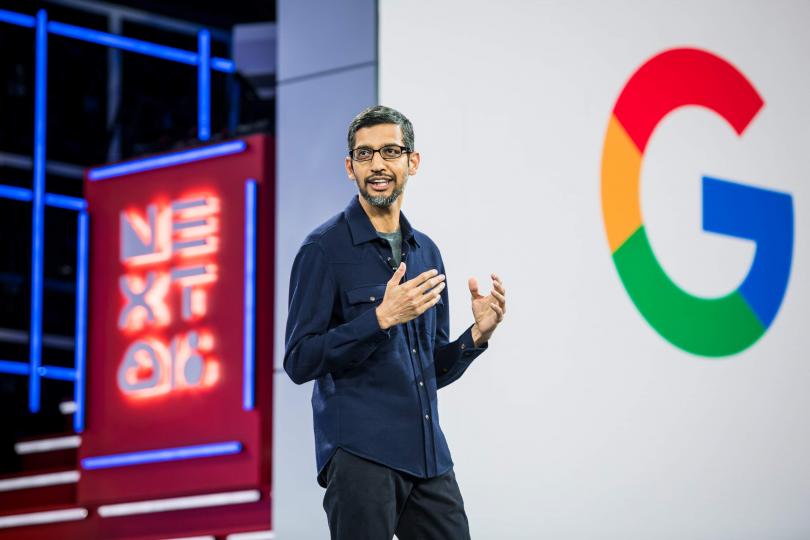
Google CEO Sundar Pichai On Stage in 2018. Google is working on an AI Assistant that can place human-like calls to make appointments. | Photo Credit: Alive Coverage

The Future Is Now: AI’s Impact Is Everywhere

•There’s virtually no major industry modern AI — more specifically, “narrow AI,” which performs objective functions using data-trained models and often falls into the categories of deep learning or machine learning — hasn’t already affected. That’s especially true in the past few years, as data collection and analysis has ramped up considerably thanks to robust IoT connectivity, the proliferation of connected devices and ever-speedier computer processing.

•Some sectors are at the start of their AI journey, others are veteran travelers.

CONTACT

NAME: sharukh

SEACTION: PU06

ROLL NUMBER: 20191EEE0032

Design a site like this with WordPress.com
Get started